Ever paused to wonder how Netflix always seems to know your next binge-worthy obsession? Or why Spotify’s “Discover Weekly” playlist feels like it was made just for you? The answer lies in how streaming platforms collect and use your personal data—often without you even realizing it. From viewing habits to device information, these services gather vast amounts of user data to shape your experience, target ads, and refine their algorithms.
What Data Do Streaming Platforms Actually Collect?
Streaming platforms don’t just track what you watch—they collect a wide range of personal and behavioral data. This includes your viewing history, search queries, pause and rewind patterns, time spent on content, and even the device you’re using. Many also gather location data, IP addresses, and account details like age, gender, and payment methods.
Beyond explicit inputs, platforms analyze implicit signals. For example, if you consistently skip romantic comedies after 30 seconds, that tells the algorithm you’re not interested—even if you’ve never explicitly said so. This behavioral data is just as valuable as demographic information when building user profiles.
Types of Data Collected by Streaming Services
- Viewing behavior: What you watch, when, how long, and whether you finish it.
- Interaction patterns: Searches, likes, skips, ratings, and playlist additions.
- Device and network data: Device type, operating system, browser, and IP address.
- Account information: Name, email, age, subscription tier, and payment history.
- Location data: Approximate location based on IP or GPS (if enabled).
How Is This Data Used Behind the Scenes?
The primary purpose of collecting your data is personalization. Streaming platforms use machine learning models to analyze your habits and predict what you might enjoy next. This drives recommendation engines, homepage layouts, and curated playlists—all designed to keep you engaged longer.
But personalization is just the tip of the iceberg. Data also fuels content creation decisions. Platforms like Netflix and Amazon Prime use viewing trends to decide which shows to greenlight, renew, or cancel. If a niche genre suddenly spikes in popularity, they’ll invest in similar content to capitalize on the trend.
Additionally, user data supports targeted advertising—even on ad-free tiers. While you may not see ads, your data helps platforms sell ad space more effectively to third parties. For ad-supported plans, your profile determines which ads you see and how often.
Real-World Examples of Data-Driven Decisions
- Netflix used data from users who watched political dramas to justify producing House of Cards.
- Spotify analyzes global listening trends to create viral playlists like “Viral Hits” or “Today’s Top Hits.”
- Disney+ tailors its homepage based on whether you’re watching with kids or alone, adjusting content visibility accordingly.
Privacy Concerns and Data Sharing Practices
Despite the benefits, many users worry about how much access platforms have to their digital lives. Most services share anonymized or aggregated data with partners, including advertisers, analytics firms, and content creators. In some cases, they may disclose data to comply with legal requests.
Critically, privacy policies often allow broad data usage under vague terms like “improving user experience” or “business operations.” This leaves room for interpretation—and potential misuse. While major platforms claim not to sell individual data, the line between sharing and selling can blur in practice.
Another concern is data retention. Even if you delete your account, some platforms retain your data for years, citing legal or operational reasons. This means your viewing history could linger long after you’ve canceled your subscription.
How to Protect Your Privacy While Streaming
You don’t have to give up streaming to protect your privacy. Start by reviewing your account settings. Most platforms let you disable personalized ads, limit data sharing, or delete your viewing history. On Netflix, for example, you can clear your viewing activity under “Account” > “Privacy.”
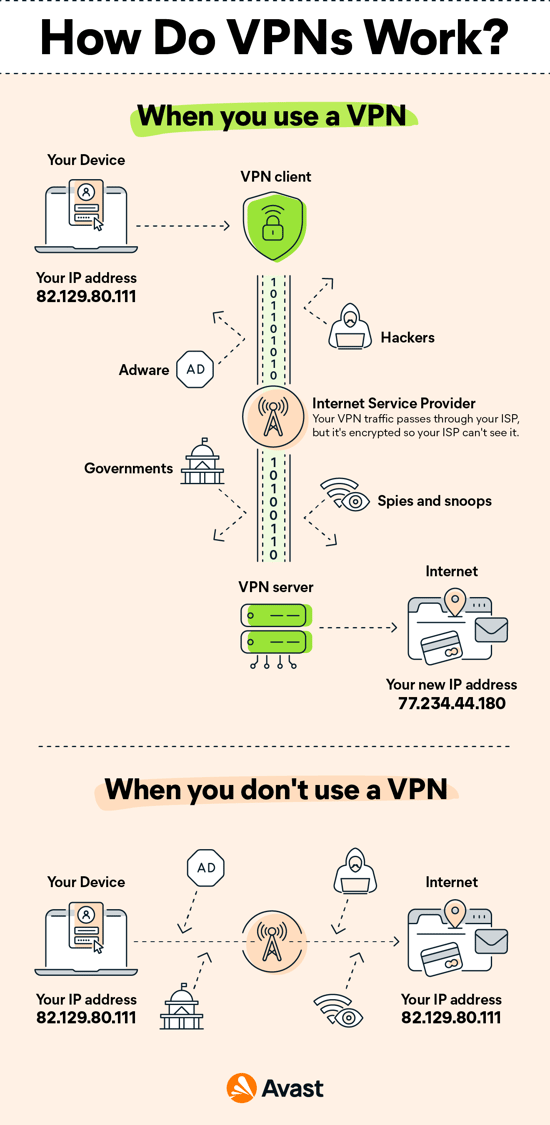
Consider using a virtual private network (VPN) to mask your IP address and location. While this won’t stop all tracking, it adds a layer of anonymity. Also, avoid logging in with social media accounts, which can grant platforms access to additional personal data.
Finally, read privacy policies—not just the headlines. Look for specifics on data retention, third-party sharing, and your rights to access or delete your information. In regions like the EU, GDPR gives you strong control over your data; in the U.S., laws vary by state.
Key Takeaways
- Streaming platforms collect extensive personal and behavioral data to power recommendations, ads, and content decisions.
- Your viewing habits, device info, and even location contribute to detailed user profiles.
- Data is used not only for personalization but also for strategic business decisions and targeted advertising.
- Privacy risks exist, but you can take steps to limit data collection and protect your digital footprint.
FAQ
Do streaming platforms sell my personal data?
Most reputable platforms claim they don’t sell individual user data directly. However, they often share aggregated or anonymized data with partners for advertising and analytics. Always check the privacy policy for specifics.
Can I stop streaming services from tracking what I watch?
You can’t completely stop tracking, but you can reduce it. Clear your viewing history regularly, disable personalized ads, and use privacy tools like VPNs. Some platforms also offer “incognito” or guest modes with limited tracking.
Is my data safe if I cancel my subscription?
Not necessarily. Many platforms retain user data even after account deletion, often for legal or operational reasons. Check the service’s data retention policy and request data deletion if available under local privacy laws.
Understanding how streaming platforms collect and use your personal data empowers you to make informed choices. While personalization enhances your experience, it comes at the cost of privacy. By staying aware and adjusting your settings, you can enjoy your favorite shows without sacrificing control over your digital life.