The rise of streaming platforms has fundamentally reshaped how we consume films, and no sector has felt this shift more deeply than the movie theater industry. Once the undisputed center of cinematic culture, theaters now face an existential challenge as audiences increasingly choose the convenience of home viewing. From altered release windows to declining box office revenues, streaming has not just disrupted—it has permanently transformed the theatrical experience.
The Shift in Viewer Habits and Expectations
Before streaming became mainstream, going to the cinema was a ritual. Families, couples, and friends planned evenings around new releases, treating movie night as a special event. But with platforms like Netflix, Disney+, and Amazon Prime offering instant access to thousands of titles, that ritual has faded for many.
Viewers now expect flexibility. They want to watch what they want, when they want, and on their own terms. This behavioral shift has forced theaters to rethink their value proposition. No longer can they rely solely on exclusivity—because for many films, there is no longer a meaningful gap between theatrical and digital release.
The End of the Theatrical Window
One of the most significant changes brought by streaming is the collapse of the traditional theatrical window—the period during which a film is available only in cinemas before moving to digital or home video. In the past, this window lasted 90 days or more. Today, it’s often just 45 days, and sometimes even shorter.
Studios now prioritize speed-to-market, releasing films on streaming platforms soon after—or even simultaneously with—their theatrical debut. This hybrid model, accelerated by the pandemic, has become the new normal. While it benefits consumers, it undermines the financial model that once sustained multiplexes.
Box Office Decline and the Rise of “Event” Cinema
As streaming grows, overall box office numbers have declined. Fewer people are attending theaters for mid-budget dramas, comedies, or indie films—genres that once thrived on the big screen. Instead, studios now focus on producing blockbuster “tentpole” films designed to draw crowds back to theaters.
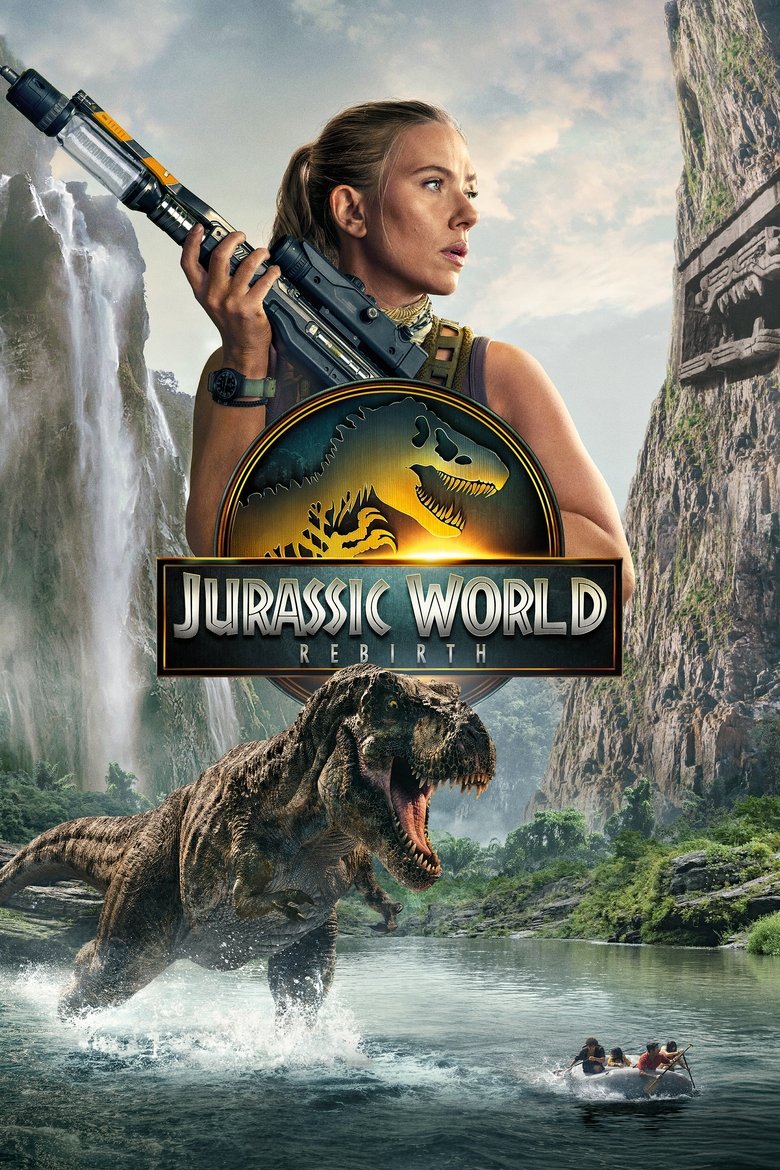
This has led to a two-tiered system: on one hand, big-budget spectacles like superhero films and animated features still perform well in theaters. On the other, smaller films are increasingly bypassing cinemas altogether, debuting directly on streaming services.
Theaters have responded by doubling down on the “event” experience. Premium formats like IMAX, 4DX, and Dolby Cinema offer immersive sound and visuals that can’t be replicated at home. Concession upgrades, luxury seating, and themed screenings are also part of the effort to make theater-going feel special again.
How Studios and Theaters Are Adapting
Both studios and theater chains are adapting to survive in this new landscape. Some studios have embraced exclusive theatrical runs for major releases, using them as marketing tools to generate buzz before streaming debuts. Others have experimented with staggered release strategies, testing audience demand before full digital rollout.
Theater operators, meanwhile, are investing in technology and customer experience. Many now offer reserved seating, mobile ticketing, and app-based concessions to streamline the visit. Some chains have even launched their own streaming platforms or partnered with studios to offer early access to content.
Despite these efforts, the financial pressure remains. Smaller, independent theaters—especially those in rural areas—have struggled to stay open. The pandemic accelerated closures, and many never reopened. This has led to concerns about cultural access and the loss of community gathering spaces.
The Role of Original Content and Exclusivity
Streaming services have also changed what kinds of films get made. With vast libraries to fill, platforms prioritize original content—often tailored to niche audiences. This has led to a surge in diverse storytelling, but it also means fewer resources are allocated to traditional theatrical productions.
However, exclusivity still matters. Major franchises like Marvel and Star Wars continue to use theatrical releases as launchpads for global campaigns. The shared experience of watching a film in a packed theater—complete with gasps, laughter, and applause—remains powerful. For these “event” films, the theater is still king.
The Future of Movie Theaters in a Streaming World
So, are movie theaters doomed? Not necessarily—but their role is evolving. They are no longer the primary gateway to new films for most viewers. Instead, they are becoming destinations for experiences that can’t be matched at home.
Imagine a future where theaters function more like concert venues or live theaters—hosting limited-run screenings, director Q&As, fan events, and immersive installations. Some chains are already testing this model, offering themed nights, retro screenings, and interactive experiences.
Additionally, as streaming fatigue sets in for some consumers, there may be a renewed appreciation for the big-screen experience. The desire for shared cultural moments—like the global excitement around a new superhero film—could help sustain theaters for years to come.
Key Takeaways
- Streaming has drastically reduced the theatrical window, allowing films to reach homes faster than ever.
- Audience habits have shifted toward convenience, forcing theaters to enhance the in-person experience.
- Box office revenues now depend heavily on blockbuster “event” films, while smaller movies move to digital platforms.
- Theaters are adapting with premium formats, better technology, and experiential offerings.
- The future of cinemas lies in becoming cultural hubs, not just screening rooms.
FAQ
Did streaming kill the movie theater industry?
No, but it has fundamentally changed it. While many theaters have closed, others are surviving by offering unique experiences that streaming can’t replicate. The industry is evolving, not disappearing.
Why do some films still release in theaters first?
Major studios use theatrical releases to build hype, generate word-of-mouth, and maximize box office revenue before moving to streaming. For big franchises, the shared audience experience drives cultural impact.
Can independent theaters survive in the streaming era?
It’s challenging, but possible. Many are finding success by focusing on community engagement, curated film series, and partnerships with local organizations. Support from film lovers and niche audiences remains crucial.
Conclusion
Streaming didn’t just change how we watch movies—it redefined the entire movie theater industry. While the golden age of weekly cinema outings may be over, theaters are finding new ways to stay relevant. By embracing innovation, enhancing the viewer experience, and focusing on what makes the big screen special, cinemas can continue to thrive—not as the only option, but as a cherished part of our cultural landscape.