Free movie streaming platforms look simple on the surface. You open a site, click play, and watch a movie without paying a subscription fee. No credit card, no signup, no commitment. This creates the impression that these platforms exist to provide free entertainment. In reality, free movie streaming platforms are businesses with carefully designed revenue models. Users do not pay with money upfront, but they almost always pay in other ways.
Free Streaming Is Not Charity
Movies cost money to produce, license, host, and stream. Bandwidth alone is expensive, especially for video. If a platform offers free movies without charging users, it must generate revenue somewhere else. Free streaming platforms survive by monetizing traffic, attention, data, or risk. Understanding how they do this explains why these sites exist and why they often feel unsafe or unreliable.
Advertising Is the Primary Revenue Source
The most common business model behind free streaming platforms is advertising. These sites sell ad space to networks that are often rejected by mainstream publishers. Pop-ups, redirects, autoplay videos, fake download buttons, and aggressive banners are not accidents. They are the product.
Advertisers pay based on impressions, clicks, or actions. Even low-quality traffic becomes profitable at scale. When millions of users visit a free streaming site, even tiny ad payouts generate significant revenue. The experience is intentionally intrusive because higher disruption often leads to higher ad interaction.
Why the Ads Feel So Dangerous
Many free streaming sites use low-tier or offshore ad networks. These networks are cheaper, less regulated, and willing to work with risky content. As a result, ads often lead to phishing pages, fake updates, malware, or scam offers.
The platform owner may not care what happens after the click as long as the click generates revenue. This is why users often feel their device or data is at risk while using free streaming sites.
Data Collection Is a Hidden Asset
Traffic alone is valuable, but data is even more valuable. Free streaming platforms often collect IP addresses, device information, location data, browsing behavior, and sometimes login credentials if accounts are required.
This data can be sold directly, used for targeted advertising, or combined with other datasets. Even anonymized data has value when aggregated. Users may never see this transaction, but it is a core part of how many free platforms stay profitable.
Redirect Chains Multiply Profit
One click often triggers multiple redirects. Each redirect generates a small payout. By sending users through several pages before reaching content, platforms multiply revenue from a single visit.
This is why clicking “play” sometimes opens multiple tabs or pages. The inconvenience is not a bug, it is a revenue strategy.
Pirated Content Attracts High Traffic
Most free streaming platforms rely on unauthorized content. Popular and newly released movies attract massive search traffic. Offering this content gives the platform a competitive advantage over legal alternatives, at least temporarily.
Because they do not pay licensing fees, operating costs are lower. The legal risk is offset by the speed at which sites can disappear and reappear under new domains. This churn is built into the business model.
Domain Rotation Is a Strategy, Not a Problem
Free streaming sites often change domain names frequently. When one domain is blocked or taken down, another appears. This reduces long-term brand value but maximizes short-term profit.
The goal is not to build trust or loyalty. The goal is to extract as much value as possible before enforcement catches up. This explains why these sites rarely invest in user experience or long-term stability.
Some Free Platforms Are Actually Legal
Not all free movie streaming platforms operate illegally. Some use an ad-supported legal model. These platforms license older movies, independent films, or niche content and monetize through regulated advertising.
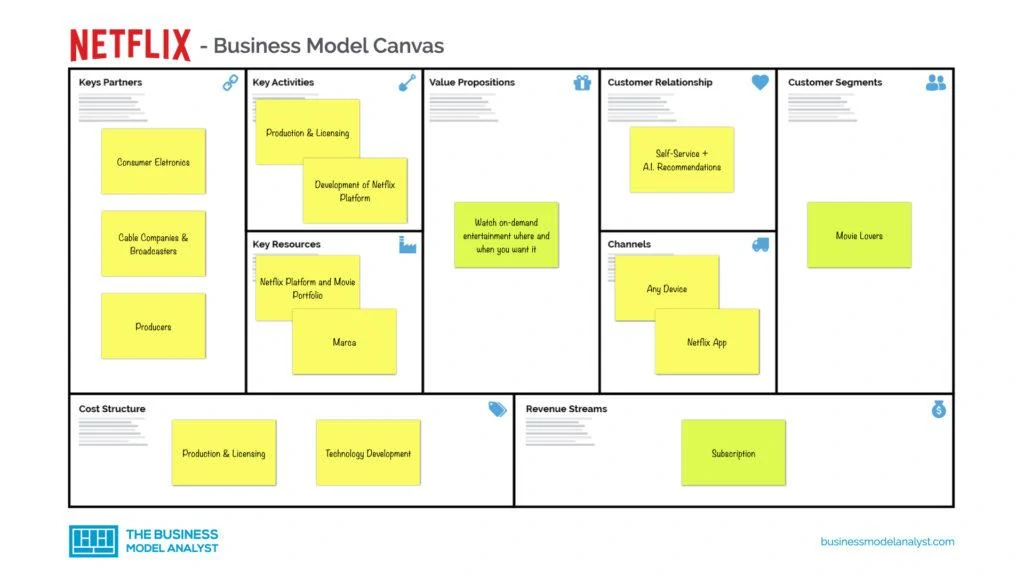
The key difference is transparency. Legal free platforms clearly identify themselves, explain how they make money, and avoid aggressive ads. They operate within the same ecosystem as paid services like Netflix, just with a different revenue structure.
Why Illegal Free Platforms Still Exist
Illegal platforms persist because demand exists. Rising subscription costs, content fragmentation, and regional restrictions push users toward free alternatives. As long as users search for “watch free movie online,” someone will try to monetize that demand.
Enforcement is expensive and reactive. By the time one site is shut down, others have already replaced it. This makes the business surprisingly resilient.
The Role of Hosting and Jurisdiction
Many free streaming platforms operate in jurisdictions with weak copyright enforcement. Hosting providers, payment processors, and ad networks are chosen carefully to reduce accountability.
This global structure makes it difficult to shut down operations completely. Responsibility is spread across countries, companies, and intermediaries.
Why Users Are the Product
In the free streaming model, users are not customers. They are inventory. Their attention, clicks, and data are what the platform sells. This is why user safety, quality, and privacy are secondary concerns.
If a user leaves, another arrives. Scale matters more than satisfaction.
Short-Term Profit Beats Long-Term Trust
Paid streaming platforms focus on retention. Free platforms focus on volume. Trust, reliability, and brand reputation are long-term assets, but free streaming platforms operate on short lifespans. They are designed to extract value quickly and disappear when necessary.
This explains why features rarely improve and problems persist.
Why Free Streaming Feels Risky
The risk is not accidental. When a platform does not rely on user trust, it has little incentive to protect users. Malware, scams, and data abuse are side effects of a system optimized for short-term profit rather than long-term relationships.
This is why using free streaming sites often feels uncomfortable, even when the movie plays fine.
Can Free Streaming Ever Be Sustainable?
Legitimate ad-supported platforms prove that free streaming can be sustainable when built on licensing, regulation, and transparency. However, these platforms cannot offer the same content as illegal sites without charging something.
Unlimited free access to premium movies is not economically sustainable without cutting corners elsewhere.
Why Paid Platforms Feel Safer
Paid platforms earn money directly from users. This aligns incentives. When users pay, platforms invest in security, quality, and stability. When users do not pay, platforms monetize indirectly, often at the user’s expense.
This is why paid services dominate long-term, even if free platforms never disappear entirely.
Final Thoughts
The real business model behind free movie streaming platforms is not about generosity or accessibility. It is about monetizing attention, data, and risk at scale. While free streaming may feel convenient, it often comes with hidden costs that users do not see immediately. Understanding how these platforms make money makes one thing clear: if you are not paying for the product, you are the product.