Movie streaming subscriptions are marketed as affordable, flexible, and budget-friendly. A few dollars a month doesn’t feel like much, especially compared to old cable bills. That perception is exactly why subscriptions work so well. The real cost of movie subscriptions is not hidden in fine print, but in psychology, habit, and how payments are structured. What feels cheap month to month often becomes expensive over time without viewers ever noticing.
Monthly Pricing Tricks the Brain
Small recurring payments feel harmless because the cost is divided. Paying once a year feels painful, but paying monthly feels manageable. Streaming platforms rely on this perception. A subscription that costs the same as a meal out each month rarely triggers concern, even though over a year it adds up to a significant expense. Because the payment is automatic, it fades into the background and stops feeling like an active decision.
Subscriptions Don’t Feel Like Spending
One-time purchases create a clear spending moment. Subscriptions remove that moment. Once you subscribe, there is no regular reminder that money is leaving your account. This makes movie subscriptions feel more like a utility than entertainment spending. The lack of friction is intentional. The easier it is to forget the cost, the longer people stay subscribed.
Stacking Subscriptions Becomes Normal
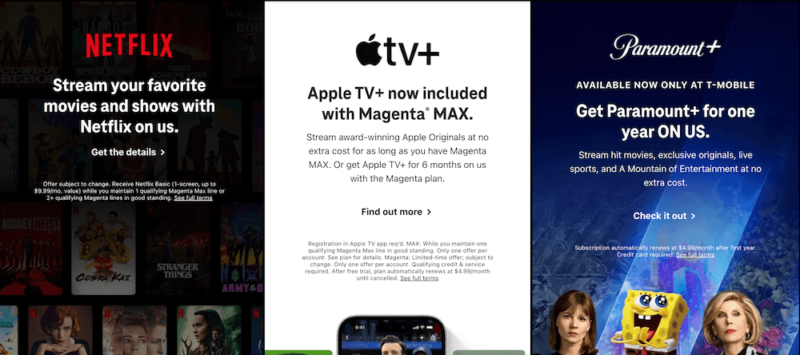
Most viewers don’t subscribe to just one service. They stack platforms to follow exclusive content. A general platform, a franchise-focused service, and sometimes a premium or niche option. Individually, each subscription feels affordable. Combined, they quietly form a large monthly total. Services like Netflix, Amazon Prime Video, and Disney+ are designed to complement rather than replace each other, which encourages overlap instead of choice.
Bundles Blur the Real Cost
Bundled subscriptions make costs even harder to track. When movie streaming is included with shipping benefits, music, or cloud storage, viewers stop evaluating the entertainment value on its own. The subscription feels justified even if the movie platform is rarely used. This makes it easy to keep paying for content that delivers little actual value.
Inactive Months Still Cost Money
One of the biggest reasons subscriptions feel cheaper than they are is inactivity. Many users stay subscribed during months when they barely watch anything. Life gets busy, interest fades, or content slows down, yet the payment continues. Because there is no penalty for not using a service, money is spent without receiving entertainment in return.
Price Increases Feel Small but Add Up
Streaming services rarely double prices overnight. They increase them gradually. A small increase doesn’t feel worth canceling over, so most users accept it. Over time, those small increases compound. A subscription that once felt cheap becomes significantly more expensive, but the gradual change prevents strong emotional reactions.
Tiered Plans Push Spending Upward
Entry-level plans are often limited. Higher video quality, multiple screens, offline downloads, or ad-free viewing sit behind more expensive tiers. Viewers who want a better experience slowly move up, often without reconsidering whether the upgrade is truly necessary. Once upgraded, few people downgrade, even if the extra features are rarely used.
Free Trials Reduce Spending Awareness
Free trials delay the feeling of cost. When the first payment arrives weeks later, the decision to subscribe feels distant. Many users forget to cancel during the trial period and accept the charge as a default expense. By the time they notice, the subscription already feels established.
Convenience Replaces Value Evaluation
Subscriptions are not just about content, they are about convenience. Instant access, recommendations, and familiarity reduce the effort needed to choose what to watch. This convenience makes viewers more tolerant of price increases and less likely to cancel, even when content satisfaction drops.
Choice Overload Lowers Perceived Value
Ironically, larger libraries can reduce enjoyment. Spending more time browsing than watching creates dissatisfaction, but instead of canceling, users often add another service hoping it will solve the problem. This increases spending without improving the experience.
Renting Feels Expensive, Subscribing Feels Cheap
Paying to rent a single movie feels expensive because the cost is visible and immediate. Subscriptions feel cheap because the cost is spread out and not tied to a specific title. This comparison is misleading. Renting only what you want often costs less than staying subscribed year-round.
The Illusion of “Unlimited” Entertainment
Subscriptions feel valuable because they promise unlimited access. In reality, viewers only watch a limited number of movies each month. When the cost is divided by actual usage, the price per movie can be surprisingly high. The feeling of abundance masks inefficient spending.
Subscription Fatigue Hides the Total
As subscriptions increase, tracking them becomes harder. Renewal dates blur together, charges blend into bank statements, and awareness drops. This fatigue benefits platforms because unnoticed subscriptions are rarely canceled.
Why Streaming Companies Rely on This Model
Subscription models reward retention, not satisfaction. Platforms design experiences to keep users subscribed, not necessarily to ensure daily usage. Automatic renewals, personalized recommendations, and exclusive content all reduce the likelihood of cancellation.
When Subscriptions Actually Make Sense
Subscriptions offer value when they are actively used. If a platform is your primary source of movies and you watch regularly, the cost per hour can be reasonable. The problem is not subscriptions themselves, but passive subscriptions.
How to Make Subscriptions Feel Honest Again
Review subscriptions regularly. Cancel when you’re not watching. Rotate platforms instead of stacking them. Downgrade plans that exceed your needs. Treat subscriptions as temporary access, not permanent commitments.
Spending Awareness Changes Everything
The moment viewers start viewing subscriptions as active choices rather than background expenses, perceived value shifts. Subscriptions stop feeling cheap and start being judged properly.
Final Thoughts
Movie subscriptions feel cheaper than they really are because they are designed to. Small monthly payments, convenience, habit, and psychological distance hide the true cost. Streaming is not overpriced by default, but it becomes expensive when subscriptions run on autopilot. The difference between affordable entertainment and silent overspending is awareness. When viewers control subscriptions instead of ignoring them, streaming becomes a choice again, not a trap.