Watching movies online has never been easier, but it has also never been riskier for your personal data. Many viewers focus on avoiding viruses or illegal sites, yet overlook how often their data is tracked, collected, or exposed while streaming. Data risk does not only come from shady websites. Even legitimate platforms, public Wi-Fi networks, and poorly configured devices can compromise privacy. Understanding where the risks actually come from is the first step toward watching movies online safely.
Why Movie Streaming Is a Data Risk Today
Every time you stream a movie, data moves between your device, your internet provider, and the platform hosting the content. This data can include your IP address, device information, viewing habits, location, and sometimes payment details. Cybercriminals, advertisers, and even poorly secured platforms can exploit this information. The goal is not to avoid streaming, but to control how much data you expose while doing it.
Stick to Legitimate Streaming Platforms
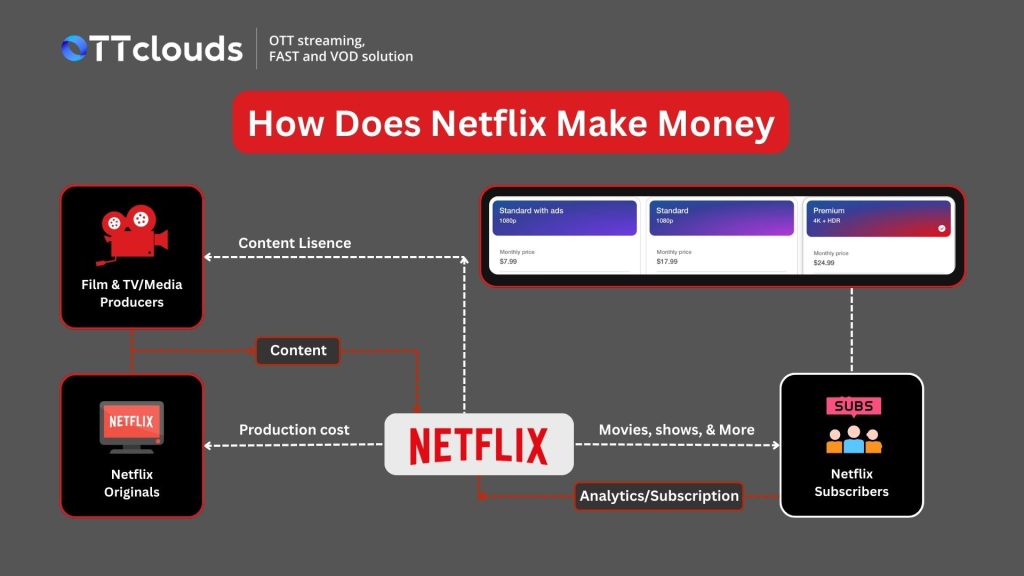
The safest way to watch movies online is through licensed platforms. Services like Netflix, Amazon Prime Video, and Disney+ invest heavily in security, encryption, and user protection. While no system is perfect, these platforms operate under strict data protection laws and are far safer than unknown free streaming sites.
Illegal or unverified sites often monetize through aggressive ads, tracking scripts, or malware. Even if a site looks professional, lack of licensing usually means lack of accountability.
Understand How Free Streaming Sites Really Make Money
Free movie streaming sites rarely survive on goodwill. They generate revenue by collecting user data, redirecting traffic, injecting tracking cookies, or pushing malicious ads. Some sites quietly log browsing behavior or attempt phishing attacks through fake pop-ups. The movie itself may play fine, but the cost is often hidden in lost privacy or compromised security.
If a site offers brand-new movies for free with no ads or explanation, it is almost certainly unsafe.
Public Wi-Fi Is One of the Biggest Risks
Airports, hotels, cafés, and public transport Wi-Fi networks are convenient but dangerous. These networks are often unencrypted, making it easier for attackers to intercept data. Streaming movies on public Wi-Fi without protection exposes login credentials, session cookies, and personal information.
If you must stream on public Wi-Fi, avoid logging into accounts that store payment information and never enter sensitive data.
Secure Your Devices Before You Stream
Data security starts with your device. Keep your operating system, browser, and streaming apps updated. Updates patch vulnerabilities that hackers actively exploit. Using outdated software significantly increases risk, even on legitimate platforms.
Install apps only from official app stores. Avoid third-party APKs or modified apps that promise free access or premium features. These are common sources of spyware and credential theft.
Be Careful With Browser-Based Streaming
Watching movies directly in a browser can be safe, but only if your browser is secure. Disable unnecessary extensions, especially those that request access to all websites or read browsing data. Many data leaks come from browser add-ons rather than the streaming site itself.
Use built-in privacy controls, block third-party cookies where possible, and clear site data periodically to reduce tracking.
VPNs Help With Privacy, Not Permission
A VPN can encrypt your internet traffic and protect your data from interception, especially on public networks. However, a VPN does not make illegal streaming legal, nor does it guarantee safety. VPNs protect the connection, not the content source.
Using a VPN while accessing illegal streaming sites still exposes you to malware, tracking, and phishing risks. VPNs are best used as privacy tools, not as shields for unsafe behavior.
Avoid “Too Good to Be True” Streaming Apps
Apps that promise unlimited free movies, early releases, or premium content without payment are major red flags. These apps often request excessive permissions, including access to storage, contacts, or system settings. Granting such permissions gives attackers control far beyond streaming.
Always check app reviews, developer information, and permission requests before installing any streaming app.
Payment Security Matters More Than You Think
When subscribing to streaming platforms, use secure payment methods. Avoid storing card details on unknown platforms. Consider virtual cards or payment services that limit exposure. Data breaches often occur through compromised payment systems, not direct hacks.
Legitimate platforms comply with payment security standards, but user habits still matter.
Protect Children and Shared Devices
Shared devices increase data risk. Family members may install unsafe apps, click malicious ads, or use insecure networks. Enable parental controls, restrict app installations, and create separate user profiles where possible. Shared accounts should have strong, unique passwords.
Children are often targeted by deceptive ads on free streaming sites, making device-level protection essential.
Beware of Phishing Disguised as Streaming Alerts
Fake emails and messages claiming account issues, subscription renewals, or suspicious activity are common. These messages often imitate popular streaming services. Never click links in unsolicited messages. Access your account only through official apps or websites.
Phishing attacks succeed because they exploit trust in familiar platforms.
Streaming on Smart TVs Has Unique Risks
Smart TVs collect viewing data and often lack frequent security updates. Avoid installing unofficial apps on smart TVs. Review privacy settings and disable unnecessary data sharing features. Connecting smart TVs to unsecured networks increases exposure.
If possible, stream through trusted devices like updated streaming sticks rather than built-in TV apps.
Use Strong, Unique Passwords
Reusing passwords across streaming platforms increases risk. If one account is compromised, others often follow. Use unique passwords and enable two-factor authentication where available. Account takeovers are common and often go unnoticed for long periods.
Why Legal Access Is the Safest Access
Legal streaming platforms have reputations to protect and legal obligations to follow. They are far more likely to notify users of breaches, comply with data protection laws, and respond to security issues. Illegal platforms disappear overnight, taking accountability with them.
The convenience of free streaming is rarely worth the long-term data risk.
The Real Cost of Unsafe Streaming
Data loss, identity theft, hacked accounts, and financial fraud cost far more than any subscription fee. Many users realize this only after damage is done. Streaming safely is not about paranoia, but about minimizing exposure.
Final Thoughts
Watching movies online does not have to put your data at risk, but safety requires intention. Choosing legitimate platforms, securing devices, avoiding suspicious sites, and understanding how data is collected makes a measurable difference. Streaming should be entertainment, not a privacy gamble. When viewers prioritize data protection as much as content access, online movie watching becomes both safer and smarter.