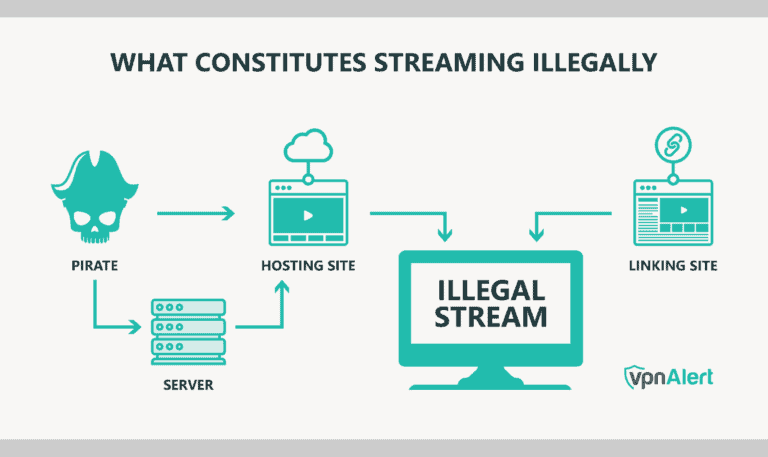
Streaming movies online feels harmless to most viewers. You click play, watch a film, and move on. There is no download button, no file saved to your device, and no obvious warning signs. This leads many people to believe that streaming movies, even from questionable sources, carries no real legal risk. The truth is more complicated. Fines and legal consequences are possible in some situations, and understanding when and why they happen matters more than most viewers realize.
Why This Question Causes So Much Confusion
The confusion exists because copyright law was written before streaming became the dominant way people consume movies. Laws were originally designed to address physical copies and direct downloads. Streaming blurred those boundaries, creating legal gray areas that vary by country. As a result, enforcement looks inconsistent, which makes people assume there are no consequences at all.
Streaming Is Still Copying Content
A common myth is that streaming does not involve copying. In reality, streaming temporarily copies data to your device so the video can play. From a legal perspective, this still counts as reproduction. The difference is that the copy is temporary, not permanent. That difference affects enforcement, but it does not automatically make streaming legal if the source is unauthorized.
When Streaming Is Completely Legal
Streaming is fully legal when the platform has proper licensing rights. Paid services such as Netflix, Amazon Prime Video, and Disney+ pay studios for the right to distribute content. Ad-supported legal platforms also exist and operate within copyright law. Watching movies on these services carries no legal risk.
Problems begin when content is streamed from websites or apps that do not have permission to distribute the movies they host.
Can You Actually Be Fined for Streaming Movies?
Yes, fines are legally possible in some countries, but they are not common everywhere. In many regions, copyright enforcement prioritizes distributors and site operators rather than individual viewers. However, that does not mean viewers are immune. Civil fines, warning letters, or settlement demands can and do happen under specific conditions.
How Enforcement Usually Works
Most enforcement starts with rights holders monitoring illegal distribution networks. When an illegal streaming site is identified, authorities may shut it down or block access. In some countries, internet service providers are required to cooperate by sending warning notices to users whose connections are linked to repeated copyright violations.
These warnings can escalate. In certain jurisdictions, repeated violations may result in fines or legal action, especially if streaming activity is frequent and clearly tied to illegal sources.
Why Viewers Rarely Hear About Fines
Fines against individual streamers are rare compared to actions against distributors. This creates a false sense of safety. Legal consequences exist, but they are applied selectively. Many cases are resolved quietly through warnings or settlements rather than public court cases, which is why they rarely make headlines.
Streaming vs Downloading: Risk Comparison
Downloading copyrighted movies without permission generally carries higher legal risk than streaming. Downloading creates a permanent copy, which is easier to prove in court. Streaming still carries risk, but it is harder to track and prosecute. This difference explains why most enforcement focuses on downloads and large-scale sharing rather than casual streaming.
However, repeated streaming from illegal sources can still build a pattern that attracts attention.
What About Free Movie Streaming Sites?
Most free sites offering recent or premium movies without payment are illegal. These platforms do not pay licensing fees and often operate across multiple domains to avoid shutdowns. Watching movies on these sites may expose users to legal risk depending on local laws.
In addition to legal concerns, these sites often carry malware, intrusive ads, and data-tracking scripts, creating risks beyond fines.
Does Using a VPN Prevent Fines?
Using a VPN does not make illegal streaming legal. A VPN may hide your IP address, but it does not change copyright law. If authorities or rights holders obtain information through other means, a VPN does not guarantee protection. More importantly, using a VPN to access illegal streams still counts as copyright infringement in many jurisdictions.
VPN use is legal in most countries, but it is not a legal shield against copyright enforcement.
Country-Specific Differences Matter
Legal consequences vary widely by country. Some nations treat illegal streaming as a civil offense, others classify it under criminal law, and some focus almost entirely on distributors. In parts of Europe, warning systems and fines are more common. In other regions, enforcement is minimal but increasing as streaming piracy grows.
Because laws differ, what feels “safe” in one country may carry real consequences in another.
Why Streaming Companies Push Enforcement
Streaming platforms invest heavily in content and licensing. Copyright enforcement protects that investment. When illegal streaming increases, platforms respond with stricter monitoring, site blocking, and cooperation with authorities. This is why enforcement pressure tends to rise over time rather than disappear.
The Realistic Consequences Most Viewers Face
For most casual viewers, the most common outcomes are warning notices, blocked websites, or throttled internet connections. Fines are possible but usually reserved for repeated or large-scale activity. Jail time for viewers is extremely rare and generally linked to distribution, not consumption.
The Ethical and Financial Side
Illegal streaming affects the industry by reducing revenue that funds new movies and shows. While rising subscription costs frustrate viewers, piracy does not lower prices. It often leads to stricter controls, higher enforcement costs, and more fragmented content.
How to Reduce Risk Without Overspending
Viewers who want to avoid legal risk do not need unlimited subscriptions. Rotating streaming services, using ad-supported legal platforms, renting specific movies, and canceling inactive subscriptions all reduce costs legally. These options provide access without uncertainty.
Why Many Viewers Still Take the Risk
Subscription fatigue, content fragmentation, and price increases push viewers toward illegal options. The risk feels abstract and distant, especially when enforcement is inconsistent. This emotional distance is why illegal streaming continues despite legal consequences.
What the Future Likely Looks Like
As streaming matures, enforcement is expected to increase. Automated monitoring, ISP cooperation, and site blocking are becoming more common. The legal risk for viewers may remain low in many regions, but inconvenience and disruption will likely grow.
Final Thoughts
Yes, you can be fined for streaming movies in certain situations, but the risk depends on where you live, how often you stream illegally, and from which sources. While most viewers will never face serious penalties, the legal and security risks are real. The safest way to enjoy movies is not avoiding streaming, but choosing legal platforms and using subscriptions intentionally. Awareness, not fear, is what keeps viewers on the right side of the law.