Copyright laws shape how movies are created, distributed, and watched, yet most viewers misunderstand how these laws actually work. This confusion leads to risky assumptions, especially in the age of streaming, downloads, and free online platforms. Copyright law is not designed to punish casual viewers, but it does define clear boundaries that many people cross without realizing it. Understanding the basics helps viewers make informed choices without fear, confusion, or misinformation.
What Copyright Actually Protects
Copyright protects original creative works, including movies, TV shows, scripts, music, and visual content. When a film is copyrighted, the creator or rights holder controls how it is reproduced, distributed, streamed, or sold. This protection exists automatically once a work is created and does not require special registration to be enforceable.
For viewers, this means that access to a movie must come through authorized channels. If a platform does not have permission from the rights holder, the content is considered unauthorized regardless of how easy or common it is to access.
The Biggest Myth: “Watching Isn’t Illegal”
One of the most common misunderstandings is the belief that watching copyrighted content illegally is allowed as long as you are not downloading it. In reality, streaming still involves copying data temporarily to your device. While enforcement varies by country, accessing copyrighted content from an unauthorized source can still be considered infringement under many legal systems.
The reason most viewers don’t face consequences is not legality, but enforcement priority. Authorities focus more on distributors than consumers, which creates a false sense of safety.
Streaming vs Downloading: The Legal Difference Is Smaller Than You Think
Downloading permanently stores copyrighted content on your device, which clearly violates copyright law when done without permission. Streaming feels different because nothing is saved long-term, but the legal distinction is not as strong as people assume. Both actions involve reproducing copyrighted material.
Downloading typically carries higher legal risk, but streaming from illegal sources is not automatically legal or harmless.
Why Some Free Streaming Sites Are Legal
Not all free movie platforms break copyright law. Some services operate legally by licensing content and supporting it through advertising. These platforms usually offer older movies, independent films, or limited libraries. The key difference is transparency. Legal platforms clearly identify themselves, list terms of service, and do not hide behind pop-ups or constantly changing domains.
Illegal sites avoid licensing costs and rely on aggressive ads, redirects, or data harvesting to make money.
Why New Movies Are a Red Flag
If a site offers newly released movies for free, it is almost certainly illegal. Studios do not give away new releases without licensing agreements. When a site provides premium content without payment, it is doing so without permission, placing both the platform and its users in a legally questionable position.
Copyright Laws Vary by Country
Copyright enforcement differs globally. Some countries treat illegal streaming as a civil issue, others classify it as a criminal offense. In many regions, internet service providers are required to cooperate with rights holders by issuing warnings or blocking access to certain sites.
This inconsistency leads many viewers to believe the law does not apply to them. In reality, the rules exist everywhere, but enforcement methods differ.
Why Viewers Rarely Face Jail Time
Despite fear-based headlines, jail sentences for viewers are extremely rare. Copyright laws focus on large-scale infringement, profit-driven piracy, and distribution networks. Casual viewers are not the primary target. However, fines, warnings, and service restrictions are more realistic consequences in some jurisdictions.
The absence of severe punishment does not mean the activity is legal; it means enforcement is selective.
How Streaming Platforms Use Copyright to Control Content
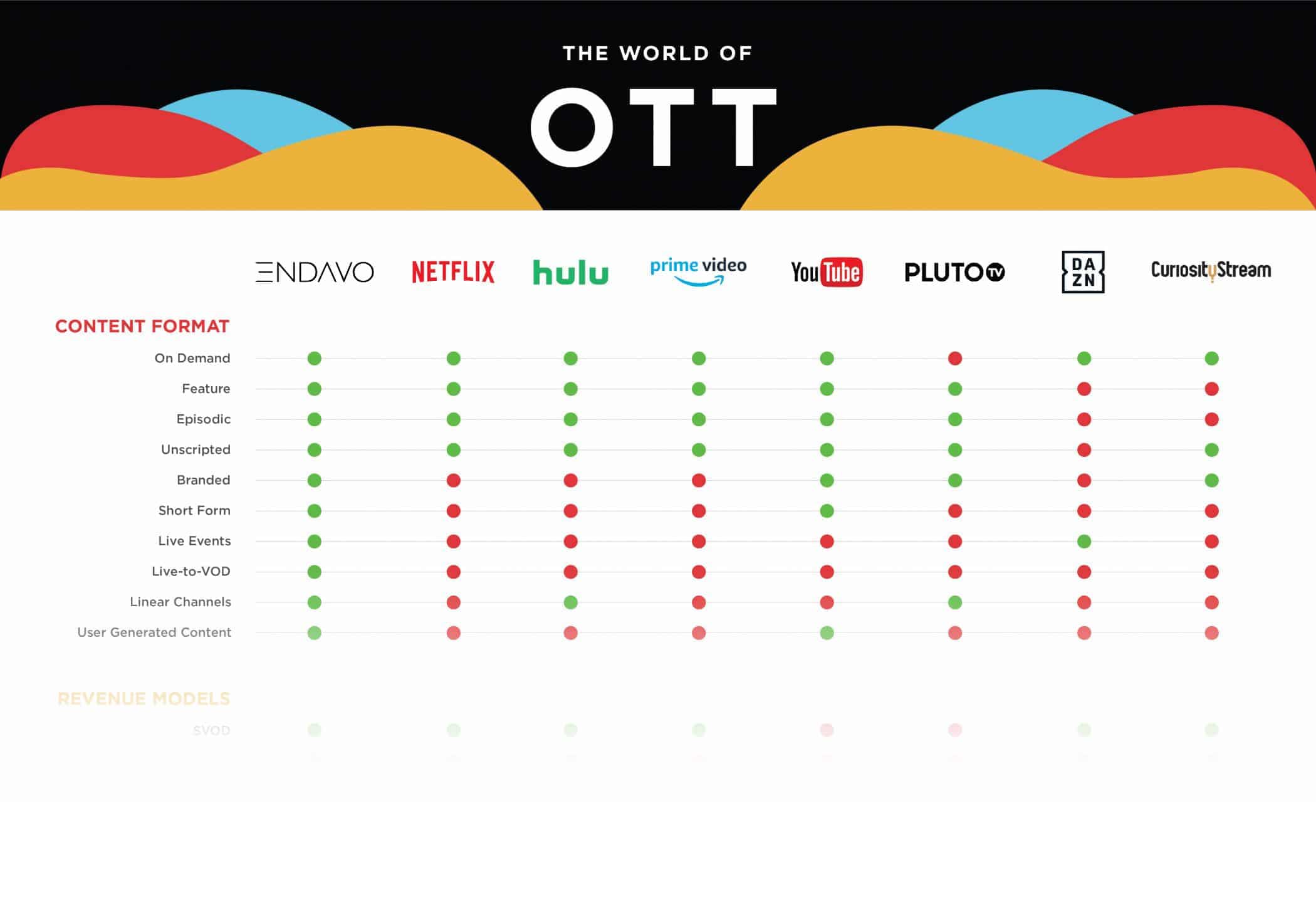
Major platforms like Netflix, Amazon Prime Video, and Disney+ rely on copyright to protect exclusive content. Licensing agreements dictate where content can be shown, for how long, and under what conditions.
This is why movies disappear from libraries and reappear elsewhere. Copyright law gives rights holders control over distribution, not viewers.
Regional Restrictions Confuse Viewers
Many people misunderstand regional content restrictions. Just because a movie is available in one country does not mean it is legally available everywhere. Licensing agreements are often country-specific. This leads to confusion when viewers travel or use different platforms in different regions.
Access restrictions are legal mechanisms, not technical glitches.
The Role of Internet Providers
In some countries, internet service providers monitor traffic for copyright violations and cooperate with rights holders. This can result in warning notices, reduced speeds, or blocked access to known piracy sites. Providers are not actively spying on individual viewing habits, but automated systems flag suspicious activity patterns.
Why “Everyone Does It” Is Not a Legal Defense
Widespread behavior does not make an activity legal. Many copyright violations persist because enforcement resources are limited, not because laws allow them. Using popularity as justification does not protect viewers if enforcement increases or policies change.
The Ethical Side of Copyright
Copyright is not only about law, but about compensation. Movies require investment, labor, and creative effort. When content is consumed illegally, revenue is lost, which affects future projects and industry jobs. While rising subscription prices frustrate viewers, piracy does not pressure companies to lower costs. Instead, it leads to stricter controls and higher enforcement spending.
Why Copyright Laws Feel Outdated
Many viewers feel copyright laws have not adapted to modern streaming habits. Fragmented platforms, regional restrictions, and rising prices create frustration. While these concerns are valid, laws evolve slowly. Until they change, existing rules still apply.
Common Mistakes Viewers Make
Assuming streaming is legal if no download occurs, trusting sites that look professional, believing disclaimers protect users, and ignoring regional licensing rules are all common errors. These misunderstandings increase risk without providing real benefits.
Legal Ways to Reduce Streaming Costs
Viewers often turn to illegal sources because of cost. Legal alternatives include rotating subscriptions, using ad-supported platforms, renting specific movies instead of subscribing, and taking advantage of free trials. These options reduce spending without legal uncertainty.
What Happens If Laws Get Stricter
As streaming matures, copyright enforcement is likely to increase. Automated detection, site blocking, and stricter penalties are already expanding in some regions. Viewers who rely on illegal platforms may face growing inconvenience and risk.
What Movie Viewers Should Take Away
Copyright law does not exist to trap casual viewers, but it does define boundaries. Understanding those boundaries allows viewers to make informed choices instead of relying on myths or assumptions.
Final Thoughts
Most movie viewers don’t break copyright laws intentionally. They do so because of confusion, convenience, and misinformation. Copyright laws are complex, but the core idea is simple: access matters more than intent. Choosing legal sources protects viewers from risk and supports the industry that creates the content they enjoy.