Free movie streaming sites promise instant access to the latest films without subscriptions, logins, or payments. For many viewers, they feel like an easy solution to rising streaming costs. But legality is rarely clear, and the risks are often misunderstood. Watching a movie online for free is not always illegal, but in many cases it exists in a legal gray area that can expose viewers to legal, financial, and security problems. Understanding how these sites work and what the law actually says is essential before deciding whether free streaming is worth the risk.
Why Free Streaming Sites Exist in the First Place
Movies cost money to make, distribute, and license. Legitimate platforms pay studios for the right to stream content. Free streaming sites usually bypass this process. They operate by hosting copyrighted content without permission or by embedding streams hosted elsewhere. Because they do not pay licensing fees, they can offer content for free, but that is also what creates legal issues.
The Difference Between Legal and Illegal Free Streaming
Not all free movie streaming is illegal. Some platforms legally offer free movies supported by ads. These services license their content properly and generate revenue through advertising. Examples include ad-supported streaming models run by legitimate companies. Illegal free streaming sites, on the other hand, offer copyrighted movies without permission from the rights holders.
The key difference is licensing. If a platform does not have legal distribution rights, the content itself is unauthorized, regardless of whether users pay to watch it or not.
Is Watching Illegal Streams a Crime?
This is where confusion begins. In many countries, uploading or distributing copyrighted content illegally is clearly against the law. Watching illegal streams is treated differently depending on jurisdiction. Some regions focus enforcement on site operators rather than viewers. Others consider streaming copyrighted content without permission a violation, even if no download occurs.
While criminal charges against viewers are rare, civil penalties, fines, and warnings are possible in some countries. Internet service providers may also issue notices or throttle connections when illegal streaming activity is detected.
Streaming vs Downloading: Does It Matter?
Many people believe streaming is legal while downloading is illegal. This is a myth. Streaming still involves copying data to your device temporarily, which can qualify as copyright infringement if the source is illegal. The legal distinction is weaker than most people assume.
Downloading increases risk because files are stored permanently, but streaming from an illegal source is not automatically safe or legal.
Why Enforcement Feels Inconsistent
Free streaming continues largely because enforcement is difficult. Sites frequently change domains, use offshore hosting, and operate in jurisdictions with weak copyright enforcement. This creates the illusion that free streaming is tolerated. In reality, it is simply hard to police at scale.
Authorities often target major distributors first because shutting down one site has more impact than pursuing individual users. This does not mean users are legally protected; it means they are lower priority.
The Hidden Risks Beyond Legality
Legal concerns are only one part of the problem. Free streaming sites often come with serious security risks. Many rely on aggressive advertising networks that expose users to malware, phishing, fake updates, and data tracking. Clicking the wrong pop-up can compromise personal information or devices.
Some sites also collect user data without transparency. Even if you never face legal trouble, the cost may come in the form of identity theft, compromised accounts, or infected devices.
Why “Free” Is Rarely Actually Free
Illegal streaming sites make money through ads, data collection, redirects, and sometimes cryptocurrency mining scripts running in the background. Viewers pay with their attention, privacy, or device performance. This business model thrives on volume and low accountability.
In contrast, legal streaming platforms charge fees because they operate within licensing laws and consumer protection frameworks. The difference in cost reflects the difference in risk.
Are Free Trials and Ad-Supported Platforms Safer?
Yes. Free trials from paid platforms and ad-supported legal services are legitimate options. These platforms license their content, comply with regulations, and offer consumer protections. They may show ads or limit features, but they do not expose users to legal uncertainty or security threats.
Using free trials strategically or rotating subscriptions provides legal access without long-term commitment.
Why Studios and Platforms Care So Much
Copyright exists to protect creators, studios, and distributors. When content is consumed illegally, revenue declines, which affects future productions, jobs, and availability. This is one reason platforms like Netflix, Amazon Prime Video, and Disney+ invest heavily in enforcement and exclusive licensing. Their business models depend on controlling distribution.
The Ethical Side of Free Streaming
Beyond legality, there is an ethical question. Consuming content without paying undermines the system that funds movies and shows. While rising subscription prices frustrate viewers, piracy does not pressure platforms to lower prices. Instead, it pushes them to invest more in restrictions, monitoring, and exclusivity.
What Happens If a Free Streaming Site Gets Shut Down
When illegal sites are taken down, users lose access instantly. Watch history disappears, links break, and replacement sites often carry even higher risks. There is no customer support, no guarantees, and no accountability. Legal platforms, even free ones, offer continuity and reliability.
How to Tell If a Free Streaming Site Is Likely Illegal
Some warning signs are consistent. Sites that offer brand-new movies for free, require no registration, display excessive pop-ups, or constantly change domains are almost always unauthorized. Lack of clear company information, terms of service, or licensing details is another red flag.
Safer Alternatives to Illegal Streaming
Instead of relying on illegal sites, viewers can reduce costs legally by rotating subscriptions, using ad-supported platforms, renting only specific movies, or sharing plans within allowed rules. These strategies reduce spending without increasing risk.
Why Viewers Still Use Free Streaming Sites
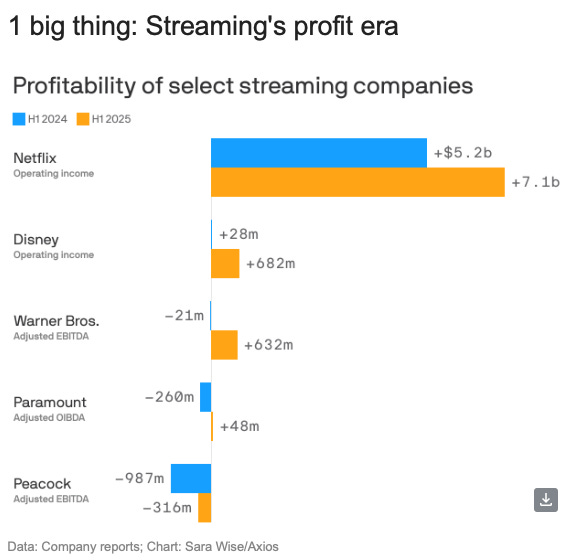
Rising costs, content fragmentation, and subscription fatigue drive people toward free options. When movies are spread across multiple platforms, viewers feel forced to choose between missing content or overspending. Free sites exploit this frustration.
The Reality in 2025 and Beyond
As streaming matures, enforcement will likely increase. Governments and studios are investing more in tracking, blocking, and legal frameworks. Free streaming sites will continue to exist, but risks will grow alongside them.
Final Thoughts
Free movie streaming sites are rarely as harmless as they appear. While watching a free stream may feel victimless and convenient, it often carries legal uncertainty, security risks, and ethical consequences. Legal free options exist, and paid platforms offer flexibility that many viewers overlook. The safest choice is not avoiding movies, but choosing access methods that protect your time, data, and peace of mind.