Movie streaming subscriptions are marketed as affordable, flexible, and convenient, but the real cost of streaming goes far beyond the monthly price you see on the checkout page. While paying for access feels cheaper than cable ever was, most viewers quietly spend far more than they realize over time. These hidden costs are not always obvious, rarely explained, and often ignored until they add up. Understanding them is the difference between smart entertainment spending and silent money drain.
The Monthly Fee Is Only the Starting Point
The advertised subscription price is designed to feel small and harmless. Platforms rely on psychological pricing to make monthly payments seem insignificant. Over a year, however, even a modest fee becomes a meaningful expense. Many users subscribe without tracking usage, which turns streaming into a recurring cost rather than a deliberate choice. The real problem begins when multiple subscriptions overlap.
Subscription Stacking Adds Up Fast
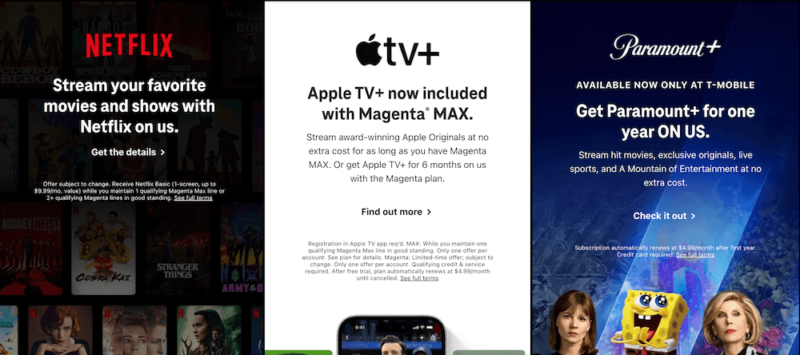
Most viewers don’t use just one streaming service. They stack subscriptions to access exclusive content spread across platforms. A Netflix plan for variety, Disney+ for franchises, Amazon Prime Video for convenience, and sometimes HBO Max or Apple TV+ for premium releases. Individually these feel manageable, but together they can rival or exceed old cable bills. Services like Netflix, Amazon Prime Video, and Disney+ are designed to encourage this overlap by locking content behind exclusivity.
Paying for Services You’re Not Using
One of the biggest hidden costs is inactivity. Many people stay subscribed even when they barely watch anything. Busy schedules, content droughts, or loss of interest turn subscriptions into unused expenses. Because cancellations are easy to forget and charges are automatic, money leaves accounts quietly every month without delivering real value.
Price Increases Happen Quietly
Streaming services rarely lock prices long-term. Incremental price increases happen regularly and are often justified by content investment or inflation. These increases feel small individually, but over time they significantly raise annual costs. Netflix in particular has normalized gradual price hikes, knowing that most users won’t cancel over a small increase.
Tiered Pricing Pushes You Upward
Many platforms advertise a low entry price, but restrict important features behind higher tiers. Ultra HD quality, multiple screens, offline downloads, or ad-free viewing often require upgrades. Users who want better quality or family sharing slowly move into more expensive plans, sometimes without realizing the cost difference over time.
Ad-Supported Plans Aren’t Truly Cheap
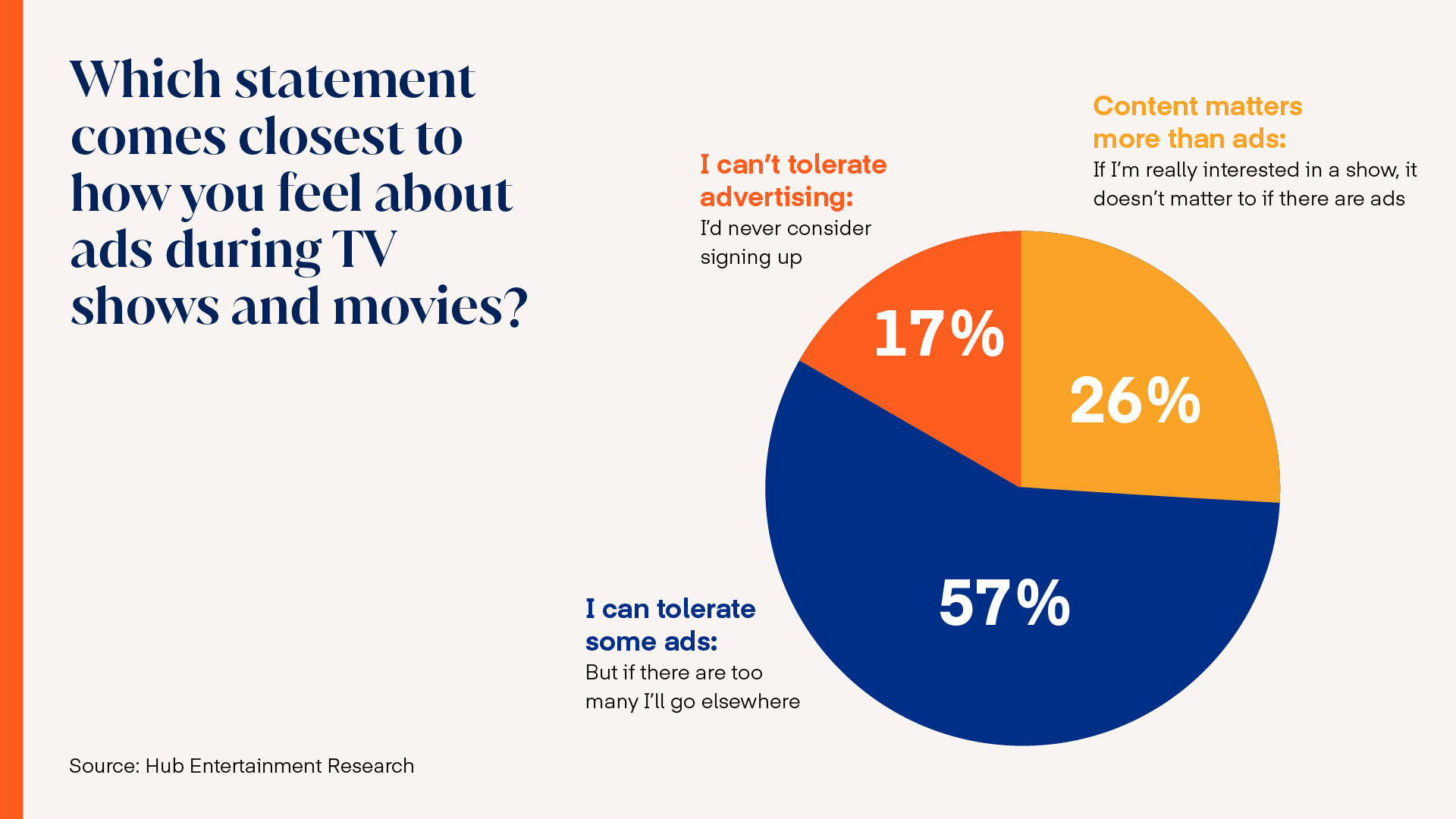
Ad-supported tiers appear cheaper but introduce a different cost: time and attention. Watching ads repeatedly reduces the quality of the experience and subtly pushes users toward ad-free plans. Over time, many users upgrade simply to avoid interruptions, effectively paying more than initially planned.
Internet and Data Costs Are Part of Streaming
Streaming movies consumes significant data, especially in HD and 4K. Viewers with limited internet plans may face higher broadband bills or throttled speeds. In some regions, unlimited high-speed internet costs more than the streaming services themselves. This indirect cost is rarely included when people calculate their entertainment budget.
Device Upgrades Become Necessary
Streaming quality improves, but older devices don’t always keep up. New TVs, streaming sticks, sound systems, and faster routers become tempting or necessary to maintain a good experience. Platforms promote 4K and HDR content, indirectly encouraging hardware upgrades that add to long-term costs.
Renting and Buying Inside Subscriptions
Amazon Prime Video blends free content with paid rentals and purchases, which can quietly increase spending. While convenient, impulse rentals often feel justified because they happen inside a subscription you already pay for. Over time, these one-off charges significantly inflate total entertainment costs.
Fragmented Content Forces Extra Spending
Licensing changes mean movies disappear and reappear across platforms. When a title leaves one service, viewers may rent it elsewhere or subscribe to another platform temporarily. This fragmentation creates friction and extra spending that didn’t exist when content libraries were more stable.
Family Sharing Isn’t Always Free
What used to be simple household sharing is now limited. Some platforms restrict simultaneous streams or charge extra for additional users. Families may be forced into higher tiers or multiple accounts, increasing costs quietly while maintaining access convenience.
International Travel Complications
Streaming access changes by region. Travelers may lose access to content they pay for or need additional services to watch abroad. This creates frustration and sometimes leads users to maintain multiple subscriptions just to ensure consistent access while traveling.
The Psychological Cost of Choice Overload
Too many options reduce satisfaction. Users spend more time browsing than watching, which reduces perceived value. When a service feels underwhelming, users often add another subscription instead of canceling, compounding costs without improving enjoyment.
Subscription Fatigue Is Real
As subscriptions multiply, managing them becomes harder. Renewal dates blur, charges become background noise, and users lose awareness of what they’re paying for. This fatigue benefits platforms and hurts consumers.
Why Streaming Still Feels Cheaper Than It Is
Streaming feels affordable because costs are split into small monthly payments and spread across platforms. Unlike cable, there’s no single large bill to trigger scrutiny. This fragmentation masks the true total.
How Streaming Companies Design for Retention
Platforms invest heavily in retention psychology. Auto-renewals, limited-time exclusives, personalized recommendations, and fear of missing out keep users subscribed longer than necessary. These strategies are subtle but effective.
The Opportunity Cost of Streaming Spending
Money spent on unused or low-value subscriptions could be redirected to experiences, savings, or higher-quality entertainment. The real cost of streaming includes what that money could have done elsewhere.
How to Reduce Hidden Streaming Costs
Tracking subscriptions monthly, rotating services instead of stacking them, downgrading tiers when possible, and canceling during inactive periods dramatically reduces spending. Streaming was designed to be flexible, but most users don’t use that flexibility.
Making Streaming Work for You
The goal isn’t to eliminate streaming, but to control it. Being intentional about subscriptions restores value and prevents entertainment spending from becoming passive.
Final Verdict
The hidden costs of movie streaming subscriptions are not about deception, but design. Small fees, convenience, and habit quietly turn affordable services into expensive routines. Streaming remains a powerful and enjoyable way to watch movies, but only when subscriptions are chosen deliberately. The real savings come not from cheaper plans, but from awareness, rotation, and control over what you actually pay for each month.